WIFOMA CFA

Donate

Wire Forest, Homa Bay County

Restoring Wire Forest with the people beside it

A community forest association bringing back 399 hectares of forest and the livelihoods that depend on it.

01 / 04

Impact at a glance

Wire Forest, by the numbers

See our full impact
hectares of Wire Forest under restoration
0
registered farmer members
0
tree cover goal across the landscape
0 %
radius of communities we work with
0 km

Plant trees · Keep bees · Grow food

Protect water · Restore Wire Forest

5Nov 2026

Partnership spotlight

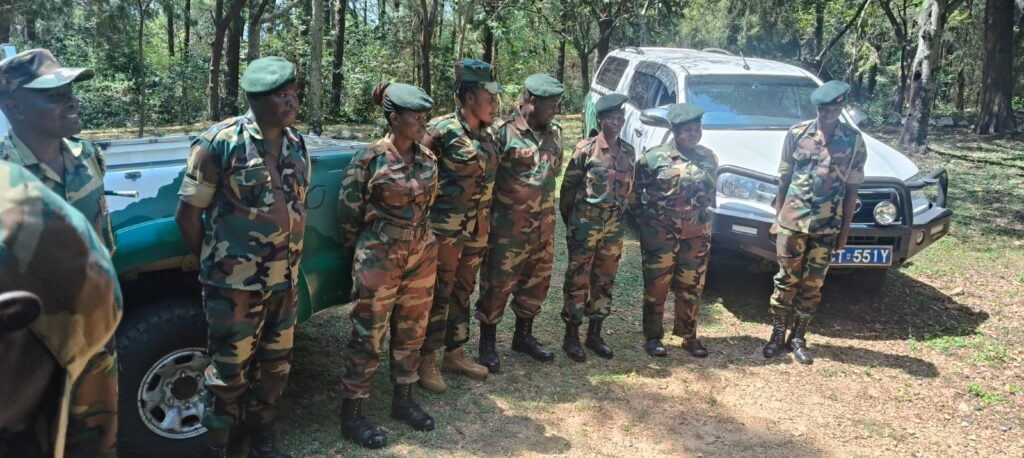
Green Zones Phase III is coming to Homa Bay

We sincerely appreciate the Green Zones Development Support Project team, the County Forest Conservator and the Wire Forest Station Manager for this important engagement and their commitment to community-centred forest conservation.

We look forward to a fruitful collaboration that will unlock the potential of the Wire Forest ecosystem and transform the livelihoods of the communities that depend on it.

WIFOMA CFA

Together, let us

  • Grow forests
  • Protect our natural heritage
  • Empower communities
  • Secure a greener future

for generations to come.

Who we are

A hill that once fed the rivers to Lake Victoria

Wire Forest rises between Kachien, North Kamagak and West Kamagak in Kasipul. Luo elders prayed for rain on its hilltops, and its springs fed rivers flowing to the lake. Population pressure stripped much of its indigenous cover.

Since 2013, WIFOMA has worked with Kenya Forest Service and local farmers to restore the forest, so that conservation and income grow together.

Key areas of collaboration

Nine ways to partner with Wire Forest

From restoring degraded slopes to protecting Bugo Springs and building a community resource centre, these are the areas where partners can make the biggest difference with us.

Member stories

Voices from around the forest

All member stories
Millicent Aluoch
16 hives
Beekeeping

From 2 hives to 16

Beekeeping has given me financial independence. I now pay school fees for my children and encourage other women to keep bees and protect the forest.

Millicent AluochBee farmer · Agoro Village, North Kamagak

Read Millicent’s story

Where the forest is headed

Our strategic goal is to restore and conserve 399 hectares of degraded landscape and reach 50% tree cover.

Climate-resilient livelihoods

Tree nurseries, beekeeping and sustainable farming that help households adapt to climate change and restore degraded land.

Ecosystem governance

Stronger local institutions, policy and land-use rules that protect the forest for the long term.

Tree cover expansion

Targeted planting on forest, community and private land to increase natural tree cover by 50%.

Help the forest grow back

Give

Your gift buys seedlings, beehives and training, and keeps bright students in school.

Partner with us

Foundations, agencies, county teams and businesses: fund a programme or co-design one.

Volunteer or join

Plant trees, teach, research, or become a member of the association.

Working alongside